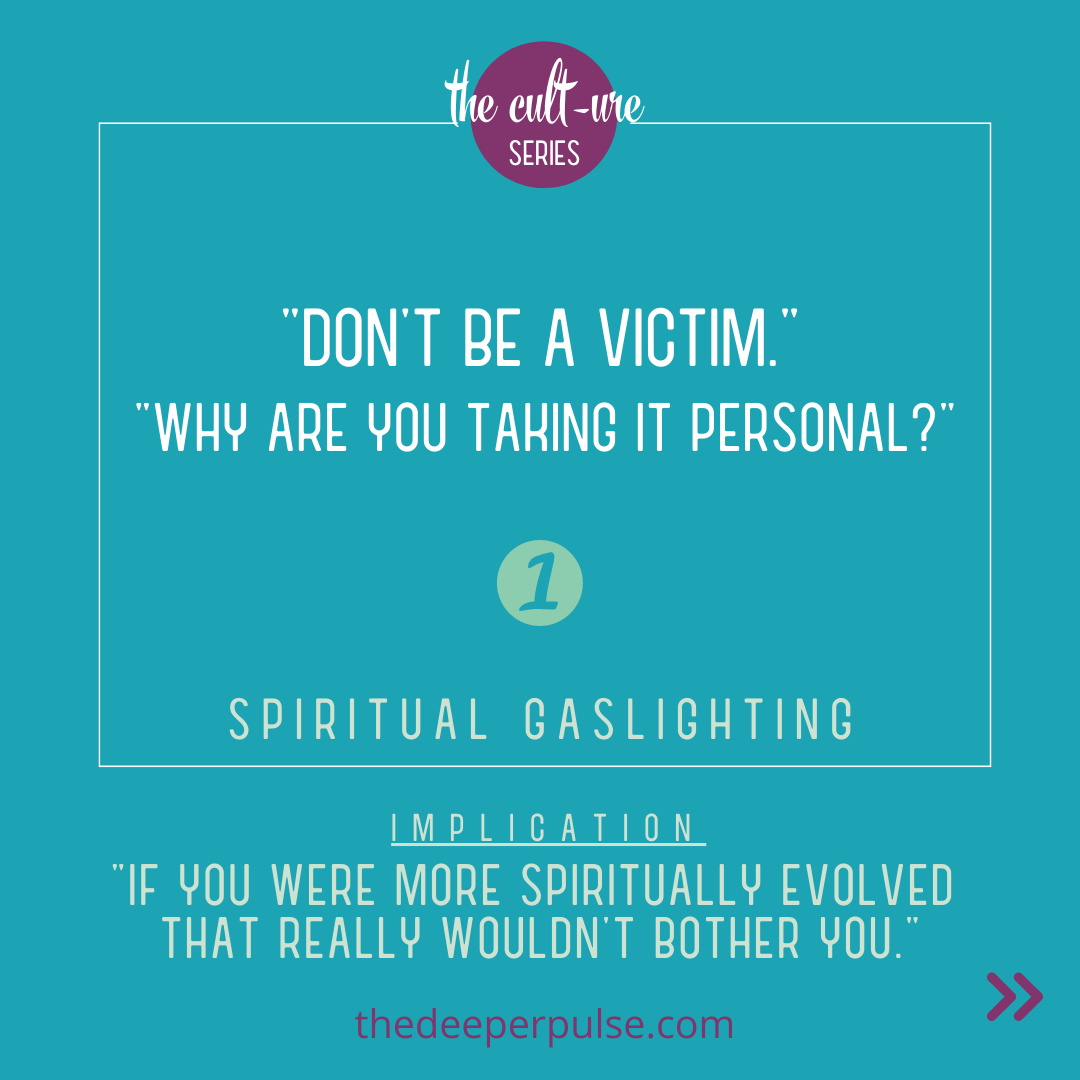
From 'The Org' to Recovery: Escaping Wellness Cult'ure's Grip
The pursuit of well-being is a fundamental human drive, leading many to explore diverse paths toward physical, mental, and spiritual health. Yet, nestled within the burgeoning wellness industry lies a darker phenomenon: the **wellness cult**. These groups, often masquerading as benign self-improvement programs or spiritual communities, can subtly ensnare individuals, leading them down a path of financial exploitation, emotional manipulation, and profound personal distress. Understanding how these groups operate, identifying their insidious grip, and navigating the challenging journey to recovery is crucial for anyone seeking genuine well-being. This article delves into the experience of breaking free from such structures, drawing on insights from therapeutic practice and real-life accounts.
Understanding the Allure: Why We Fall for Wellness Cults
Few people intentionally seek out a cult. Instead, they are often drawn in during times of vulnerability, seeking answers, community, or a cure for perceived shortcomings. The initial appeal of a **wellness cult** can be incredibly strong, promising enlightenment, perfect health, or profound personal transformation. They often tap into a deep human desire for belonging and purpose, offering seemingly simple solutions to complex problems. Whether it's the promise of a miraculous diet, a revolutionary exercise regime, or a spiritual awakening, these groups often present themselves as possessing exclusive knowledge or a unique pathway to happiness.
The individuals behind these movements frequently present themselves as charismatic leaders, gurus, or enlightened beings. They skillfully cultivate an environment where questioning their authority is discouraged, and adherence to their doctrines is rewarded. Often, the journey begins with small investments – a workshop here, a book there – gradually escalating into significant financial and time commitments. This incremental immersion makes it difficult for participants to recognize the red flags until they are deeply entrenched, emotionally and financially invested in "the Org" or whatever the group may call itself.
The Red Flags: Identifying a Wellness Cult'ure
Recognizing the signs of a **wellness cult** is paramount. These groups rarely announce themselves as cults; instead, they slowly erode personal autonomy under the guise of self-improvement. One of the most critical warnings comes from the insight, "
You saved my life... don't give anybody that power. Anybody who lets you say that without correcting you, that's highly problematic." This powerful statement underscores a core issue: any individual or organization that allows you to cede your personal power to them without correction is fundamentally problematic.
Here are some common red flags to watch out for:
- Unquestioning Loyalty Demanded: The leader or organization is presented as infallible, and critical thinking is discouraged or labeled as "negative" or "disloyal." As Aimee Van Ausdall wisely stated, "It is not, and it has never been disloyal to question things."
- Exclusivity and Elitism: The group often claims to possess unique truths or methods, suggesting that only their path leads to true wellness or enlightenment. Outsiders are viewed with suspicion or pity.
- Intense Financial and Time Demands: Participants are pressured to spend increasing amounts of money on courses, products, and events, often under the guise of "investing in yourself." Time commitments can isolate members from external relationships.
- Control Over Information: Access to external viewpoints or dissenting opinions is limited. Members are encouraged to consume only group-approved content.
- Identity Erosion: The group's ideology becomes central to a member's identity, often leading to alienation from former friends and family who do not subscribe to the group's beliefs.
- Promises of Rapid, Transformative Change: While personal growth is a journey, cults often promise instant or dramatic transformations that are unrealistic.
- Harassment of Leavers: Individuals attempting to leave may face intense pressure, shaming, or even harassment, sometimes by former friends who become "flying monkeys" – a term from cult recovery spaces describing those who do the cult's bidding to keep members in line or retrieve those who have left.
If you're questioning the true nature of a wellness practice you're involved with, it's vital to trust your intuition. For more detailed insights into identifying concerning patterns, you might find value in exploring
Spotting the Red Flags: Navigating Wellness Cults and Toxic Practices.
The Public Exit and the Journey of Disentanglement
Making the decision to leave a **wellness cult** is often the hardest step, fraught with fear, guilt, and the potential loss of an entire social structure. Individuals like Aimee Van Ausdall, who made a "very-public exit from ‘the Org’," exemplify the immense courage required to break free. Such an exit can be a profound act of self-reclamation, but it also opens the door to a challenging period of disentanglement.
Leaving can entail navigating a complex emotional landscape. There's the financial loss from years of investment, the grief over lost relationships, and the daunting task of rebuilding an identity that was once deeply intertwined with the group's doctrines. The concept of "diet 'cult'ure," for instance, as highlighted by Dr. Melissa Durfey's poignant question – "
We're all supposed to love ourselves. But where is that supposed to come from when our entire lives we've been told that our bodies are wrong?" – illustrates how deeply these ideologies can impact self-perception and personal worth, making recovery a holistic endeavor. The experience of Noa Kadman, who, after investing years in one "Org," later fell into another similar practice created by former associates, serves as a cautionary tale: without doing the "real-deal work of recovery," history is indeed likely to repeat itself.
Reclaiming Self: The Path to Recovery
Recovery from a **wellness cult** is not a linear path, nor is it a process with a definitive "termination." Drawing from therapeutic insights, the relationship between a recovering individual and a supportive therapist is "mostly real and only partly transferential." This means genuine connection and trust are paramount, creating a safe space where vulnerabilities can be explored without judgment.
A compassionate therapeutic approach acknowledges that individuals rarely seek help initially for "enlightenment" but rather for the distress caused by their experiences. The therapist's role extends beyond addressing immediate complaints; it involves providing "road maps for the territory the patient may traverse in the future." This foresight equips individuals with tools and understanding, so that when new challenges arise, they have a framework for processing them.
Key aspects of effective recovery support include:
- Non-Shaming Environment: It is crucial to avoid shaming those who "leave early" or struggle with the recovery process. Healing is individual and often involves setbacks.
- Long-Term Support: The idea that patients "may return to see us any time and for any reason" fosters a secure base for ongoing growth. Recovery from spiritual abuse or deep-seated control takes time and often requires intermittent support.
- Rebuilding Personal Agency: Therapy focuses on helping individuals reclaim their decision-making abilities, trust their intuition, and redefine their values outside the cult's influence.
- Processing Trauma: Many former cult members experience trauma, grief, and identity confusion. Therapeutic interventions can help process these complex emotions and rebuild a sense of self.
- Critical Thinking and Discernment: Relearning how to question, analyze information, and discern healthy relationships from exploitative ones is a fundamental part of the recovery journey. This process helps prevent falling into similar patterns in the future.
The healing journey involves learning to differentiate between healthy interdependence and cultic dependency. As one therapist noted, "
It doesn't take much training to tell the difference between a mature relationship and failure to master the skills involved in the toddler's efforts to depend less on the caregiver!" For a deeper dive into the nuances of cultic practices and how to distinguish them from legitimate spiritual or wellness pursuits, you might find
Questioning Everything: Is Your Wellness Practice a True Cult? to be an illuminating read.
Beyond the Cult: Redefining Success and Well-being
One of the most profound aspects of post-cult recovery is the opportunity to redefine what success, joy, and well-being truly mean. Often, cults impose rigid definitions of these concepts, tying them to adherence to the group's dogma or the leader's approval. The anecdote of questioning Otto about whether his life is joyless, and the reflection, "
Is it not our own transference that leads us to view with displeasure what he calls success?" highlights a crucial point: our definitions of "a good life" are deeply personal and should not be dictated by external forces or societal judgments.
Reclaiming personal definitions allows survivors to embrace their unique path, whether it aligns with conventional notions of success or not. It fosters self-compassion and acknowledges that a truly rich life is one where individual joy, authentic relationships, and personal values are prioritized. The goal is not to achieve a "perfect" outcome, but to cultivate a life that feels genuinely fulfilling and free from manipulative pressures.
Conclusion
Escaping the grip of a **wellness cult** is a testament to immense strength and resilience. It is a journey from disillusionment to self-reclamation, often requiring significant therapeutic support and a commitment to radical self-honesty. By understanding the insidious nature of these groups, recognizing the red flags, and embracing a recovery process that prioritizes personal autonomy and long-term well-being, individuals can move from the shadow of "The Org" into a future defined by their own authentic joy and success. Remember, true wellness flourishes in an environment of freedom, critical thought, and genuine compassion, never under the oppressive hand of unquestioning obedience.